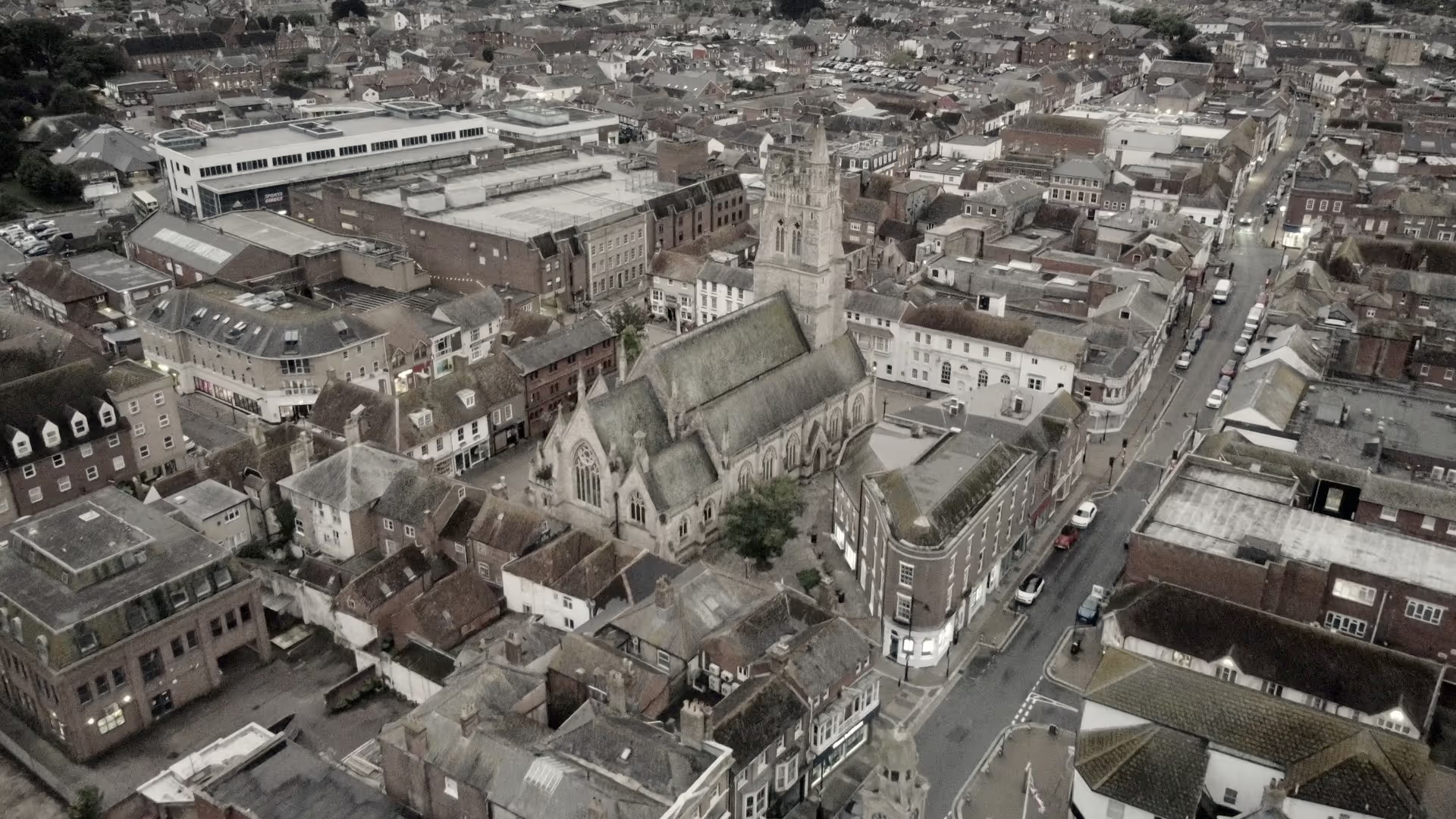
Famous People Connected To Newport
Our list of famous people who have a connection to Newport on the Isle of Wight, is expanding all the time. They may have been born here, raised here, lived here or have a strong connection with Newport.
If you are a family member of someone notable we have not included yet, do get in touch via the 'contact us' page.
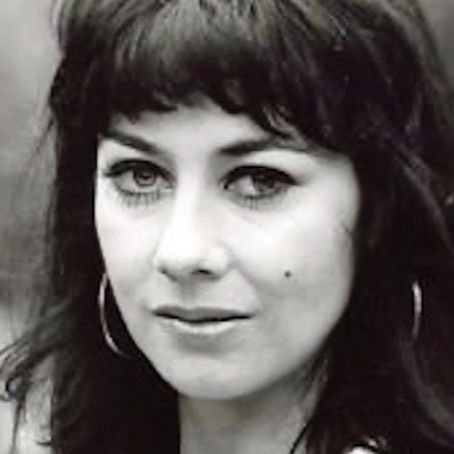
Julia Breck
Julia Breck, born on 22nd August 1941 in Newport, trained at the Richmond School of Art and initially worked as an artist before catching the acting bug. Her television career flourished in the 1970s, where she became a familiar face in Spike Milligan’s Q series where she played the iconic “glamour stooge” with a wink and a knowing smile. She also appeared in Monty Python’s Flying Circus, The Two Ronnies, Some Mothers Do ’Ave ’Em, and On the Buses, as well as a cast member in Andy Warhol's first play, Pork, in 1971.
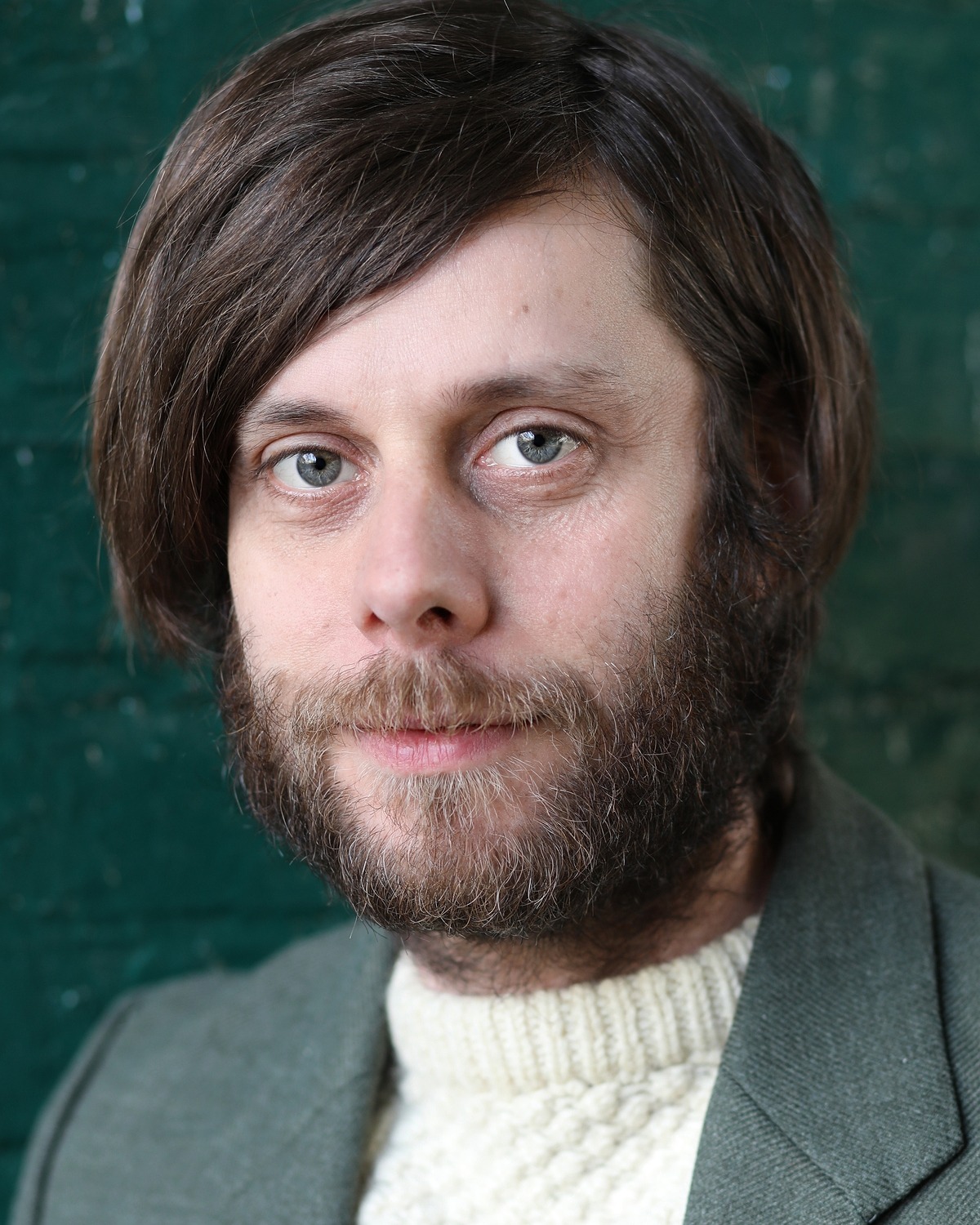
Colin Michael Carmichael
Born in Newport, Colin Michael Carmichael is an actor known for his roles in Hot Fuzz (2007), Wicked (2024) and I Want Candy (2007). He has appeared in various TV commercials for Carling, the 118 directory enquiry service and the TV series Worzel Gummidge, Detectorists & many more. With a career spanning multiple years he has established himself as a versitile actor in the industry.
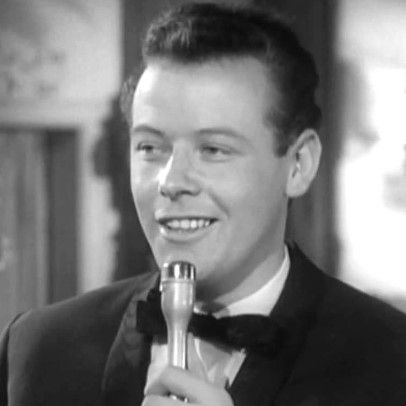
Craig Douglas
Craig Douglas, born Terry Perkins on 12th August 1941 in Newport, Isle of Wight, was a British pop singer who gained fame in the late 1950s and early 1960s. He is best known for his hit single “Only Sixteen,” which reached number one on the UK Singles Chart in 1959. His smooth voice and boyish charm made him a popular figure during the early rock and roll era. Douglas had several other hits, including “Pretty Blue Eyes” and “A Teenager in Love.” He was often compared to American teen idols of the time and was a regular on television music shows.
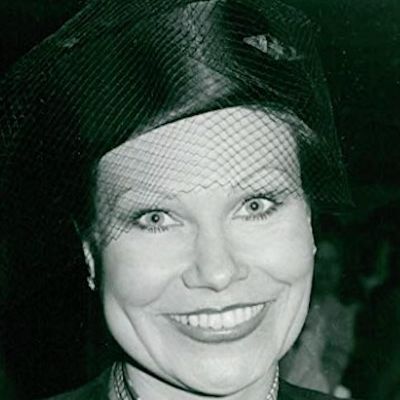
Antonia Ellis
Antonia Marie Ellis, born in Newport on 30th April 1944, starred as Lieutenant Joan Harrington in Gerry and Sylvia Anderson’s 1970 sci-fi TV series UFO. Stationed on SHADO's Moonbase, part of Earth's secret defence against alien incursions, she appeared in 13 episodes wearing an iconic silver uniform and purple wig. Her character was very much pioneering of women in command roles within sci-fi television. She also had acting roles in films The Boy Friend with Twiggy in 1972 and Mahler in 1974.
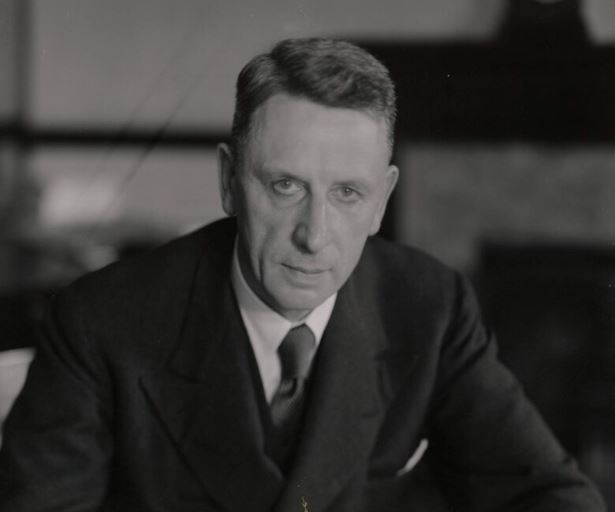
Sir Arthur Percy Morris Fleming
Sir Arthur Percy Morris Fleming CBE was born in Newport on 16th of January 1881. He became one of Britain’s most influential electrical engineers, research directors and educators. His career spanned from hands-on transformer design to pioneering radar-enabling technologies that helped shape the outcome of WWII. His work on thermionic valves was vital to Britain’s early radar systems. He was awarded a CBE in 1920 for his work on technology for submarine detection, and received a Knighthood in 1945 for his services to education.

Sir Thomas Flemming
Sir Thomas Fleming, was born in Newport in April 1544, and rose from a local merchant family to become one of the most distinguished lawyers and judges of Elizabethan and Jacobean England. He studied law at Lincoln’s Inn and was called to the Bar in 1574. Sir Thomas entered public life as a Member of Parliament and later became Recorder of London. In 1595 he was appointed Solicitor-General, and in 1604 became Chief Baron of the Exchequer. He was knighted in 1603 and, in 1607, was appointed Lord Chief Justice of the King’s Bench, one of the highest judicial offices in the country.
His career included several major cases of the period, most famously his participation as a judge in the 1606 trial of Guy Fawkes following the Gunpowder Plot. His contemporaries, including the eminent jurist Sir Edward Coke, praised him for his judgement, integrity and discretion. Sir Thomas remained closely connected with his native Isle of Wight. During his later career he was associated with Newport’s civic development and with efforts to establish a free grammar school in the town, helping lay foundations for an institution that became an important part of Newport’s educational heritage.
He died suddenly at Stoneham Park, Hampshire, on 7 August 1613, aged 69, and was buried at North Stoneham. His enduring connection with Newport is commemorated by his role in the town’s civic and educational history and by his place among the Island’s most distinguished historical figures.
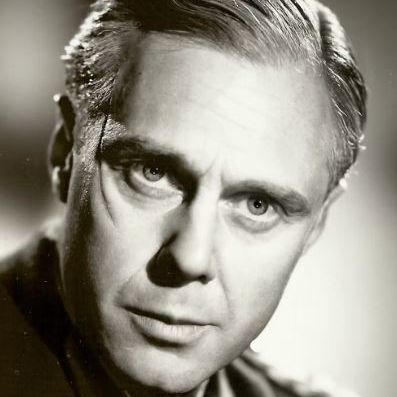
Marius Goring
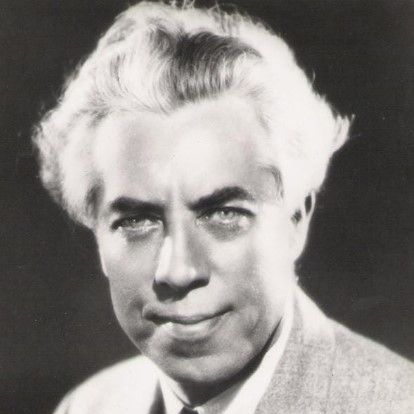
Marius Goring, born on 23rd May 1912 in Newport, Isle of Wight, was a distinguished English stage and screen actor. From a young age Marius was captivated by the theatre and, encouraged by his parents, made his professional stage debut in 1927 at the age of 15. He appeared in many famous films of the time in the 1940’s and 50’s including British films A matter of Life or Death with David Niven in 1946, The Red Shoes in 1948, and Pandora & the Flying Dutchman with Ava Gardner and James Mason in 1951. In the late 1960s to early 1960s, he starred in the BBC TV series The Expert.
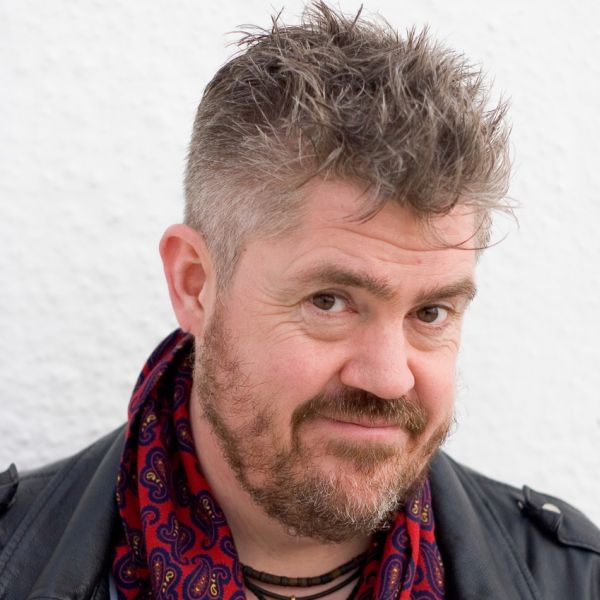
Phillip Christopher Jupitus
Phillip Christopher Jupitus, was born on the 25th of June 1962 in Newport & is an English comedian, actor, performance poet, broadcaster, and cartoonist. Rising from the 1980s ranting poetry scene supporting acts like Billy Bragg, he became widely known as a long-time team captain on BBC Two’s music quiz Never Mind the Buzzcocks (1996–2015) and for panel show work on QI.
Jupitus is also recognised for stage roles in musicals such as Hairspray, Spamalot, and Chitty Chitty Bang Bang, along with radio hosting on BBC 6 Music.
Since retiring from stand-up in 2018, he has focused on art studies in Dundee and continued occasional performance work.
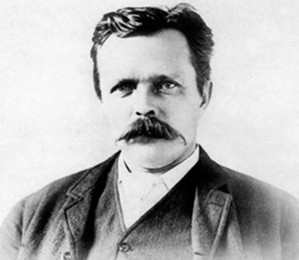
John Milne
John Milne spent nearly 20 years in Japan studing seismology (scientific study of earthquakes) which he virtually founded in its modern form. Born in Liverpol in 1850 he retired from Japan to Shide Hill House in 1895.
He built an observatory there and many vistors and students came to his house. He died in 1913 and is buried in St. Paul's Churchyard in Barton.
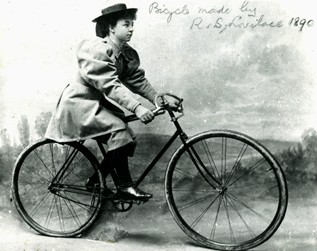
Tessie Reynolds
Tessie Reynolds was born on the 20th of August 1877 in Newport. At age 16, she rode a 120-mile Brighton-London-Brighton route in 8 Hours 30 minutes, on the 10th of September 1893. At 5am she set off from the Brighton Aquarium, riding a man's racing bicycle (diamond frame, drop handlebars), wearing rational dress (pantaloons, shirt & coat). She was a pioneer of women's competitive cycling. She died in 1954 aged 77 in London.
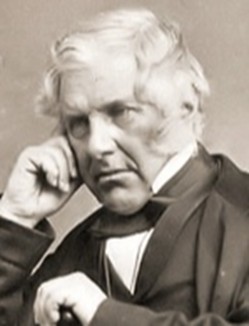
Henry Sewell
Henry Sewell was born on the 7th of September 1807 in Newport. New Zealand's first Premier (later termed Prime Minister) in 1856. Henry trained as a solicitor, following his father's path. He only entered politics after emigrating to New Zealand in 1853 to help rescue the Canterbuy Association from financial collapse. A major architect of early New Zealand law and government. He later returned to the UK and died in Cambridge in 1879.
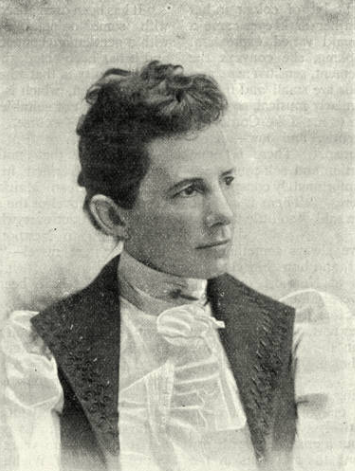
Mary Gleed Tuttiet
Mary Gleed Tuttiett, who wrote under the pen name Maxwell Gray, was a distinguished Victorian novelist and poet born in Newport, on the 11th of December 1846. She was the daughter of local surgeon Frank Bampfylde Tuttiett and Elizabeth Gleed. Largely self-educated, Mary initially contributed essays, poetry, articles and short stories to periodicals. Her literary breakthrough came in 1886 with The Silence of Dean Maitland, a dramatic and highly successful novel which established Maxwell Gray as a recognised name in Victorian literature. T
he novel was set against a fictionalised Isle of Wight landscape, with familiar Island places providing inspiration. Despite suffering from severe and persistent health problems, Mary maintained a remarkably productive writing career. She produced numerous novels and several volumes of poetry, including Westminster Chimes and Lays of the Dragon Slayer. Much of her early literary work was written while living in Newport.
Mary was also interested in women’s rights and female suffrage, supporting the campaign for women’s voting rights and incorporating questions surrounding women’s position in society into some of her fiction. After the death of her father in 1895, she moved from Newport to the London area. She died in Ealing on 21 September 1923, aged 76.
Today, Mary Gleed Tuttiett is remembered as one of Newport and the Isle of Wight’s significant literary figures, and The Silence of Dean Maitland remains her best-known work.

Stuart Urban
Stuart Urban is an award-winning British filmmaker, screenwriter and producer who was born in Newport in 1958. Stuart’s interest in filmmaking began at an extraordinary age. At thirteen he wrote and directed The Virus of War, a 16mm film that was shown at the Cannes Film Festival, making him one of the youngest filmmakers to have work presented there. After graduating with a first-class degree in Modern History from Balliol College, Oxford, Stuart embarked on a career in television and film. His breakthrough came with An Ungentlemanly Act (1992), his dramatic account of the opening of the Falklands War. The film won the BAFTA for Best Single Drama in 1993. He subsequently directed episodes of the acclaimed BBC drama Our Friends in the North, earning a second BAFTA.
His later work has included the films Preaching to the Perverted, Revelation, Tovarisch, I Am Not Dead and May I Kill U?, as well as the ITV drama The Secret, for which he was writer and executive producer and received a BAFTA nomination. From his childhood filmmaking experiments to an internationally recognised career in cinema and television, Stuart remains one of Newport’s, notable contributions to British film and television.
George Westmore
George Westmore, born George Henry Westmore on 27th June 1879 in Newport, Isle of Wight, trained as a hairdresser but later became a pioneering figure in film, setting up the first ever first movie makeup department in Hollywood. George Westmore’s pioneering work in makeup and wig-making set the stage for many Hollywood stars to shine including Bette Davis, Audrey Hepburn. His innovative work significantly influenced the film industry and he created a style called the Mary Pickford signature curls, a defining feature of her image, and contributed significantly to her popularity at the time.